Best Cheap eSIM Plans for Affordable Global Data in 2024
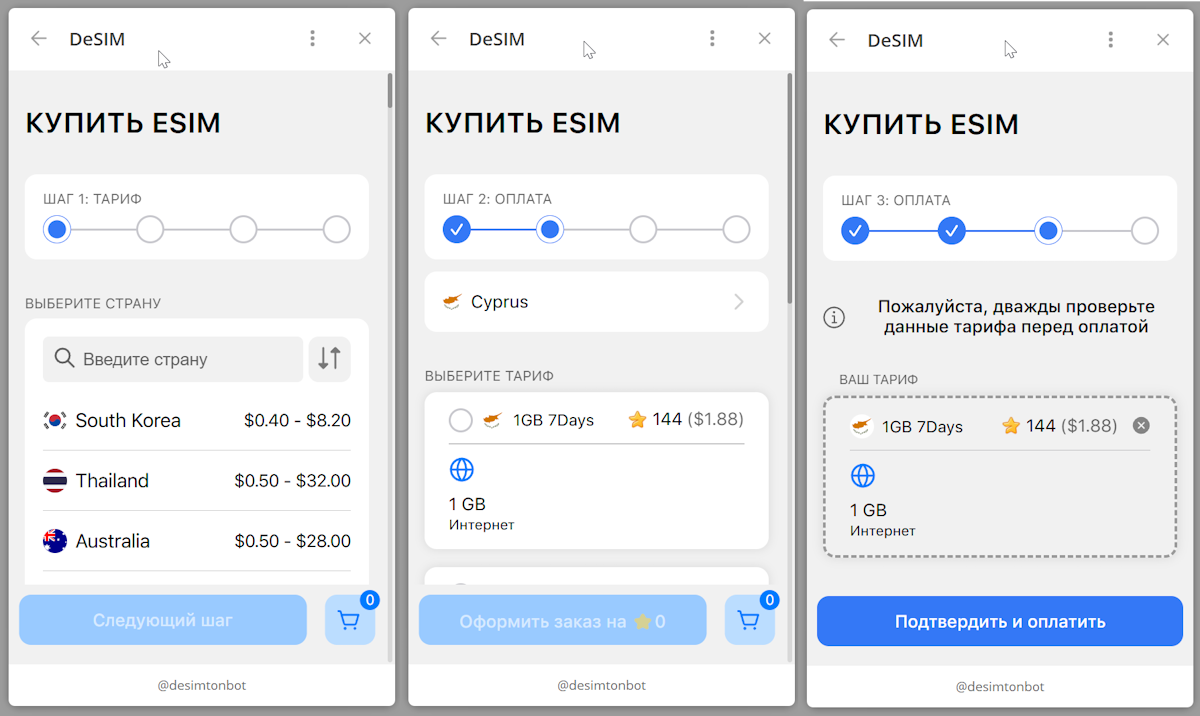
Cheap eSIM plans let you grab mobile data without a physical card, making travel or daily use incredibly budget-friendly. You simply scan a QR code to install the eSIM profile, then pick a low-cost data package that activates instantly on your phone. This means you can avoid pricey roaming fees and local SIM hunts, all while enjoying reliable coverage for a fraction of the usual cost.
Finding Affordable eSIM Options That Work
To find affordable eSIM plans that work, compare prices on aggregator sites like esimdb or Airalo, filtering by data allowance and validity for your destination. Avoid plans with hidden activation fees by reading the terms before purchase. Q: How do I ensure a cheap eSIM actually works? A: Check device compatibility and look for plans with positive reviews about network reliability in your specific region. Opt for regional plans (e.g., Europe-wide) over single-country ones for better value. Stick to providers offering quick installation via QR code and real-time data tracking to avoid overspending.
What to Look for in a Budget-Friendly Mobile Data Package
When hunting for a budget-friendly eSIM, scrutinize the total data cap versus validity period, not just the price. A cheap plan is useless if its tiny allowance runs out before your trip ends. Confirm the package includes speeds sufficient for navigation and messaging, as some ultra-low-cost plans throttle to unusable rates. Always read the fine print for “fair usage” limits that can slash your promised data after a small threshold.
What is the most important feature in a budget-friendly mobile data package? It must offer a realistic data allowance for your exact stay length, not just a cheap price per gigabyte that expires too fast.
Comparing Prepaid vs. Pay-As-You-Go International Cards
When choosing between prepaid and pay-as-you-go international eSIMs, prioritize data volume over flexibility for maximum savings. Prepaid plans lock in a fixed data allowance at a set price, making them ideal if you can accurately estimate your usage—often costing significantly less per gigabyte. In contrast, pay-as-you-go cards charge only for what you consume, perfect for unpredictable or light usage but typically carrying higher per-unit rates. The trade-off is clear: prepaid international eSIMs reward planning with bulk discounts, while pay-as-you-go offers financial control but at a premium. For travelers confident in their data needs, prepaid always wins on value.
Prepaid eSIMs offer lower cost per gigabyte for planned usage; pay-as-you-go provides flexibility at a higher price for sporadic needs.
Key Factors That Drive Down Costs Without Sacrificing Coverage
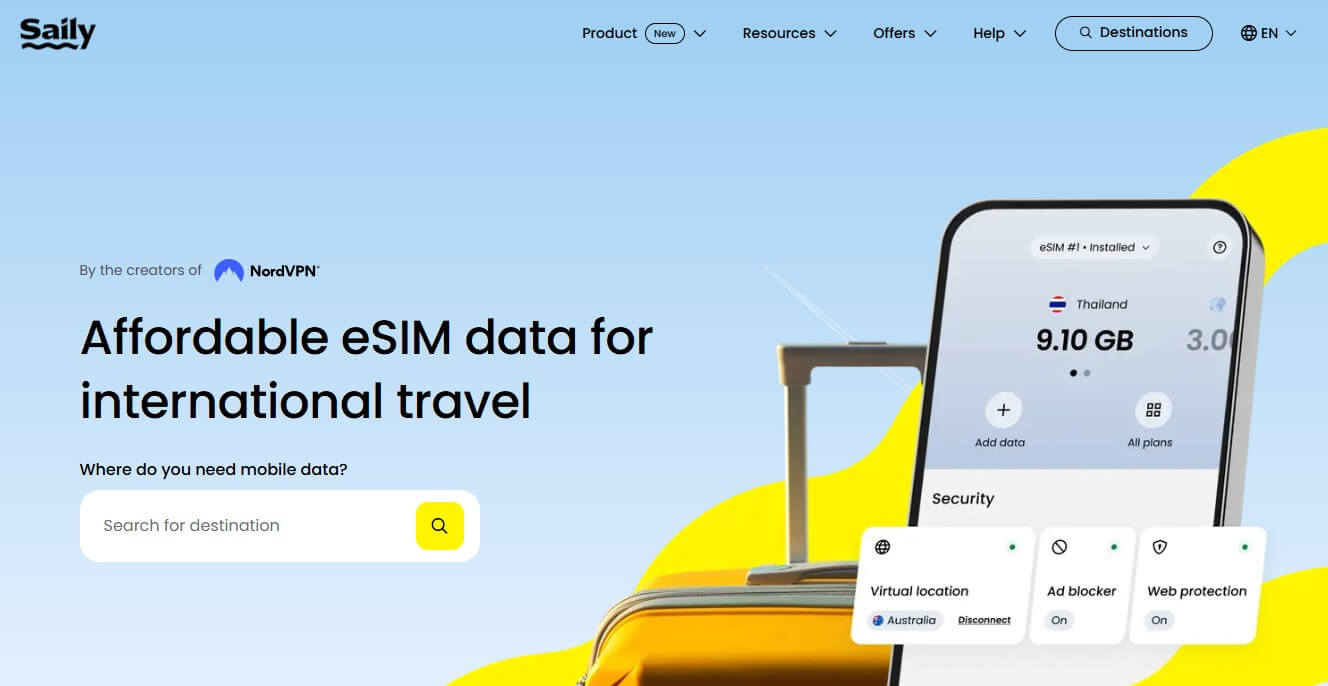
Finding a cheap eSIM plan that still works great comes down to a few clever tricks. First, choose regional data packages instead of global ones; covering a whole continent like Europe is far cheaper than a worldwide plan. Next, pick plans that let you top up data rather than forcing you to buy a whole new package. Finally, avoid paying for talk time if you only need data, and look for providers that partner with local networks, passing the savings directly to you.
Top Regions Where Low-Cost Digital SIMs Shine
Southeast Asia is a standout region where cheap eSIM plans truly shine, with providers offering dirt-cheap data bundles for Thailand, Vietnam, and Indonesia that undercut local tourist SIMs. Europe’s open roaming zones make budget eSIMs a no-brainer, letting you hop from Spain to Poland on a single, low-cost plan without juggling physical cards. For the savvy traveler, the real gem lies in Africa—where eSIMs unlock surprisingly affordable connectivity in Kenya and South Africa, bypassing pricey airport kiosks. Meanwhile, Latin America’s regional eSIMs slash costs in Brazil and Colombia, often giving you 10GB for less than a single overpriced store-bought SIM.
Europe: Wallet-Smart Roaming Across Multiple Countries
For budget-conscious travelers, wallet-smart roaming across multiple countries in Europe is best served by a single regional eSIM. Instead of buying separate local SIMs in France, Italy, and Spain, you install one data plan covering the entire EU. This eliminates fiddling with physical cards at each border; you simply toggle on the eSIM profile upon arrival. A 10‑GB, 30‑day pan-European plan often costs under $20, while a single-country plan from a traditional carrier can exceed $50 for the same data. The table below contrasts cost per GB for a three‑country trip:
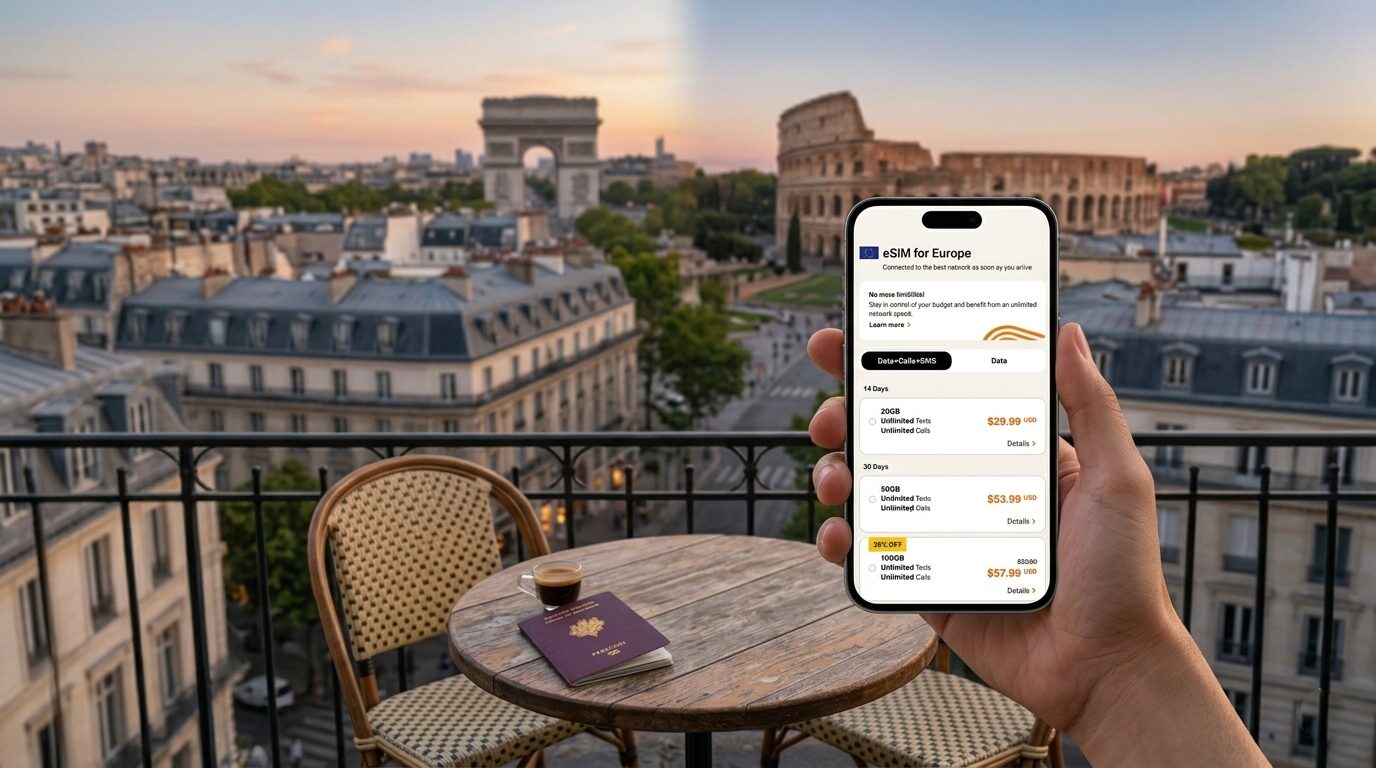
| Plan Type | Cost for 10GB (30 days) |
|---|---|
| Single regional eSIM | $15–$20 |
| Three individual local SIMs | $45–$60 |
With automatic network switching across borders, your connection remains seamless from city traint to Alpine hike. This approach keeps your roaming budget strictly predictable—no surprise fees when crossing from Belgium into the Netherlands.
Asia: Value Picks for Frequent Travelers in Japan, Korea, and Thailand
For frequent travelers in Japan, Korea, and Thailand, value eSIM picks for Asia trips focus on short-duration data bundles. In Japan, prioritize 7-day plans from providers like Holafly or Ubigi offering 5–10 GB for around $10–15. For Korea, a 5 GB, 7-day LG U+ eSIM is typically under $12, ideal for city navigation. Thailand delivers the best per-GB cost, with AIS or DTAC offering 7-day, 15 GB plans for roughly $6. A recommended sequence is:
- Check your phone’s eSIM compatibility.
- Compare total data allowance versus trip length.
- Purchase a plan strictly for urban data coverage, not rural roaming.
These plans eliminate physical SIM swaps and overage fees.
North America: Economical Options for Short Stays in the US and Canada
For short stays across the US and Canada, budget travelers can find eSIM plans offering 1GB to 5GB of data for under $10, valid for 7 to 15 days. These North America regional eSIMs cover both countries seamlessly, eliminating roaming fees. A 3GB plan for 10 days typically costs $8–$12, supporting T-Mobile, AT&T, and Rogers networks. Choosing a data-only eSIM avoids costly voice minutes you rarely use during a brief trip.
Q: What is the cheapest eSIM for a 7-day trip to the US and Canada?
Most regional prepaid options cost $5–$7 for 1GB of high-speed data, sufficient for navigation and messaging.
How to Score the Best Deals on Data-Only Profiles

To score the best deals on data-only profiles with cheap eSIM plans, start by comparing regional versus global providers. Regional carriers often undercut global giants for specific countries. Before buying, check if your phone supports the plan’s network bands, as compatibility issues can waste money. Always look for short-term promo codes on aggregator apps like Airalo or Nomad.
Booking a plan just before travel, rather than months ahead, often unlocks flash sales and unused inventory discounts.
Stick to local data-only profiles instead of voice-included bundles to avoid paying for features you won’t use. Finally, read the fair-use policy—some “unlimited” cheap eSIM plans throttle speed after a few GB, which kills the deal for heavy users.
Using Comparison Tools to Spot Hidden Gems
Comparison tools are your secret weapon for unearthing data-only profiles that major carriers bury. Instead of scanning individual provider sites, use aggregator platforms like esimdb or esim.net to filter strictly by data allowance and price per gigabyte. These tools instantly reveal lesser-known resellers offering identical network coverage for a fraction of the cost. You’ll spot hidden gem data plans from regional operators that prioritize low prices over flashy marketing. Toggle filters for “local” or “regional” instead of “global” to find deeply discounted, high-gigabyte packages. This method transforms a tedious price hunt into a quick, systematic search for the absolute cheapest deals.
Capitalizing on Promotional Codes and First-Time User Discounts
Snagging a cheap eSIM plan often starts with hunting for first-time user discounts and promo codes. Before you buy, always google the provider’s name plus “coupon” or “discount code”—you’ll often find 10–20% off or a free trial gigabyte. Signing up with a fresh email address can trigger a welcome offer. Stack these deals by checking if the code applies to data-only profiles specifically. Some brands hide their best promos on partner blogs or YouTube descriptions, so scroll before you click. Compare code terms in the table below.
| Provider | Typical Code Value | Expiry Risk |
|---|---|---|
| Airalo | 10% off first purchase | Often 7 days |
| Holafly | 5% first-time discount | 30 days |
Why Regional Providers Often Beat Global Giants on Price
Regional providers bypass the overhead of maintaining sprawling global network agreements, allowing them to pass those savings directly to you. They often negotiate localized bulk data rates with a single country’s mobile operators, securing wholesale prices that global giants cannot match. This means you get hyper-local data pricing that undercuts expensive roaming bundles. For example, a European regional eSIM might cost half of what a global plan charges for the same 10GB.
Why do regional providers beat global giants on price? They eliminate the cost of coordinating multi-currency billing, global support, and international routing protocols, focusing all their negotiation power on one network.
Tips for Maximizing Value from Your Digital Plan
To maximize value from a cheap eSIM plan, first download the provider’s app to monitor your data usage in real-time, preventing costly top-ups. Activate a region-specific plan rather than a global one to avoid paying for unused coverage zones.
Always check if your device supports dual SIM, allowing you to keep your home SIM for calls while using the cheap eSIM solely for data to avoid roaming fees.
Leverage Wi-Fi calling whenever possible to stretch your data allowance, and purchase a shorter-term plan (e.g., 7-day) versus a monthly one if your trip is brief, as unexpired data rarely rolls over.
Avoiding Common Pitfalls Like Expiration Dates and Hidden Fees
When selecting a cheap eSIM, check the activation and validity period in the fine print. Many budget plans have strict expiration dates that start counting from purchase, not first use, wasting days if you install early. Hidden fees often appear as “top-up minimums” or “service recovery charges” for reactivating an expired plan. Scrutinize the data add-on costs, as the advertised low base price can skyrocket after the initial bundle. Avoid plans that automatically roll over unused data into costly new cycles.
Always verify the expiration trigger (purchase vs. activation) and scan for any mandatory service or top-up fees before committing to a cheap eSIM plan.
Pairing Multiple Low-Cost Plans for Extended Trips
For extended trips, strategically pairing multiple low-cost eSIM plans from different regional providers can yield significant savings. Instead of purchasing a single, expensive global plan, activate a short-term regional plan for your primary destination, then stack a separate, cheaper data-only plan from another carrier for a neighboring country or transit zone. This layering lets you leverage local pricing across borders, avoiding the premium for continent-wide coverage. Carefully manage activation timings and device profiles to ensure seamless switching; this method exploits competitive pricing per region, often halving total trip costs compared to a single long-term roaming package.
Choosing Between Short-Term and Long-Term Subscriptions
When grabbing cheap eSIM plans, your travel length dictates the best subscription style. For a weekend trip, a short-term plan (7-10 days) avoids paying for unused data. If you’re a digital nomad or visit the same country monthly, a long-term subscription often cuts costs by half. Locking in a long-term plan can be a money-saver for repeat visits, but short-term offers flexibility if you switch destinations Japan eSIM often. Q: When should I choose a long-term eSIM over short-term? A: If you stay 30+ days or travel to the same region more than twice a year, long-term plans drastically reduce your per-day cost without sacrificing coverage.
Understanding Data Speeds and Fair Usage Policies
When you grab a cheap esim plan, data speeds often get throttled after hitting a soft cap hidden in the fair usage policy. This policy means your “unlimited” data slows to a crawl once you exceed a specific threshold, like 1GB per day, during peak hours. For streaming or video calls, actual speeds after the cap may drop below 1 Mbps, making only messaging and basic web browsing feasible. Always check the fair usage policy details before buying, as a bargain price can quietly mean unusable speeds for heavy use. Stick to plans with transparent speed tiers to avoid surprises on your trip.
How 4G vs. 5G Impacts Your Monthly Bill
Choosing between 4G and 5G on a cheap eSIM plan directly affects your monthly cost. 5G often requires a premium data package, potentially adding $5–$15 to your bill even with budget carriers. In contrast, sticking with 4G usually unlocks the cheapest base plans. However, 5G’s fair usage policies can be stricter; exceeding a smaller data cap on a low-cost 5G plan may incur expensive throttling that slows you to 3G speeds. A 4G-only eSIM offers more predictable monthly costs and softer speed reductions after hitting your limit, making budgeting easier.
| Aspect | 4G Impact on Bill | 5G Impact on Bill |
|---|---|---|
| Base Price | Lower entry cost | Higher premium tier |
| Overage Costs | Slower throttling, less expense | Stricter caps, bigger speed drop penalty |
Why “Unlimited” Doesn’t Always Mean Unlimited Access
Many cheap eSIM plans advertise “unlimited” data, but this promise typically hinges on a Fair Usage Policy that throttles your speed after you consume a specific high-speed cap. Once you exceed that hidden limit, providers drastically reduce your connection, making video streaming and large downloads impractical. This means unrestricted access doesn’t exist; instead, you gain priority only up to a predetermined threshold. Data throttling after caps is the core reality behind the marketing. For heavy users, this effectively renders the plan unusable during peak times or after moderate usage.
- Video streaming often buffers or drops to low resolution after the cap is hit.
- Background app downloads and updates can rapidly consume your high-speed allowance.
- Real-time tasks like video calls become unstable or impossible under throttled speeds.
Throttling Thresholds: What to Expect from Discount Carriers
When using a cheap eSIM from a discount carrier, expect a “hard throttle” after hitting your data cap. Unlike premium plans that might slow you to 2G, these carriers often drop speeds to a near-unusable 128 kbps or less until your next cycle. Always check the fine print for “throttling thresholds” because some plans limit high-speed data even before the full cap is reached. Understanding throttling thresholds is key to avoiding buffering during video calls. Q: Will my data stop completely after the threshold? A: No, but expect speeds so slow that loading a webpage can take over a minute, making navigation frustrating for any real-time use.
What Exactly Is a Budget-Friendly eSIM and How Does It Save You Money
The Core Difference Between a Physical SIM and a Digital One

Why eSIMs Can Be Cheaper for Travel and Daily Use
Key Features to Look for When Comparing Low-Cost eSIM Options
Data Allowance vs. Speed: Which Matters More on a Tight Budget
Duration Flexibility: Paying Only for Days You Actually Need